
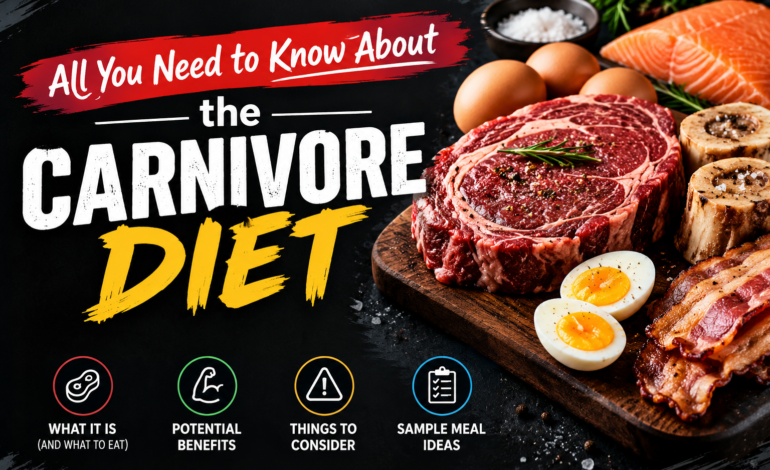
All You Need to Know About the Carnivore (All-Meat) Diet

The carnivore diet is an eating pattern built almost entirely around animal-based foods. Unlike most popular diets, it removes nearly all plant foods and focuses on meat, fish, eggs, animal fats, and, depending on the approach, some dairy products.
Supporters of the carnivore diet often point to its simplicity and say it may help with weight management, appetite control, and reducing cravings. At the same time, nutrition experts and critics have raised questions about fiber, nutrient variety, cholesterol, and the lack of strong long-term research.
If you are curious about the carnivore diet, understanding both sides is important. This guide explains what the carnivore diet is, what you can eat, what foods are usually avoided, potential benefits and drawbacks, and what a typical day of eating may look like.
What Is the Carnivore Diet?
The carnivore diet is a very restrictive eating pattern that focuses on foods derived from animals. Meat is usually the main part of every meal, while other animal foods such as eggs, seafood, animal fats, and certain dairy products may also be included.
A strict version of the diet eliminates plant-based foods completely. That means no fruits, vegetables, grains, legumes, nuts, seeds, or plant-based oils.
Common Foods on the Carnivore Diet
- Beef and other red meats
- Chicken and poultry
- Fish and seafood
- Eggs
- Animal fats
- Some dairy products
How Does the Carnivore Diet Work?
The basic idea behind the carnivore diet is simple: eat animal-based foods while dramatically reducing or eliminating carbohydrates from plant foods.
Because foods such as grains, fruits, vegetables, legumes, and sweets are removed, carbohydrate intake can become extremely low. The diet therefore shares some similarities with ketogenic eating, although the two approaches are not identical.
The carnivore diet focuses primarily on animal foods, while a ketogenic diet can include low-carbohydrate vegetables, nuts, seeds, avocado, and other plant foods.
What Can You Eat on the Carnivore Diet?
Meat and Poultry
Meat is the foundation of the carnivore diet. Beef, lamb, pork, chicken, turkey, and other types of poultry can all be used depending on personal preference.
Some people prefer fatty cuts of meat because they provide more energy and can make meals more satisfying.
Fish and Seafood
Fish and seafood can provide another source of animal protein. Common choices include salmon, sardines, tuna, shrimp, and other seafood.
Eggs
Eggs are popular on the carnivore diet because they are convenient and provide protein and fat. They can be prepared in several simple ways, making them useful for breakfast or quick meals.
Animal Fats
Animal fats may be used for cooking or to increase the energy content of meals. Examples include beef fat, butter, and other animal-derived fats.
Dairy Products
Some people following a less restrictive version of the carnivore diet include dairy products such as butter, cheese, or heavy cream.
However, dairy is not included in every version of the diet, especially among people following a very strict approach.
What Foods Are Avoided on the Carnivore Diet?
The strict carnivore diet removes most or all plant-based foods. Foods commonly avoided include:
- Fruits
- Vegetables
- Grains such as wheat, rice, and oats
- Beans and legumes
- Nuts and seeds
- Plant-based oils
- Sugar and sweets
- Most processed carbohydrate-rich foods
The exact rules can vary. Some people follow a strict meat-only version, while others include eggs, dairy, seasonings, or small amounts of other animal-based foods.
Why Do People Try the Carnivore Diet?
People choose the carnivore diet for different reasons. Some are attracted to its simple food rules, while others are interested in possible changes in appetite, weight, or cravings.
Simple Food Choices
One reason people find the diet appealing is that the food list is relatively short. Instead of planning meals around many different food groups, meals are usually built around meat, eggs, fish, or other animal foods.
Weight Management
Some people try the carnivore diet as part of a weight-management strategy. A diet based heavily on protein and fat may feel filling to some individuals, which can make it easier to eat fewer calories.
Reducing Cravings
Removing sweets, refined carbohydrates, and many highly processed foods may reduce exposure to foods that some people find difficult to control.
Potential Benefits of the Carnivore Diet
The potential benefits of the carnivore diet are an area of ongoing discussion. Some people report positive experiences, but individual results can vary significantly.
High Protein Intake
Meat, fish, and eggs are naturally rich in protein. Adequate protein is important for maintaining muscle and supporting normal body functions.
May Help With Appetite Control
Protein-rich meals can be satisfying. Some people following a carnivore-style diet report feeling fuller between meals.
Simple Meal Planning
The limited food selection can make meal planning easier for people who prefer a simple routine.
Fewer Highly Processed Foods
Because many processed foods contain grains, sugars, or plant-based ingredients, removing them can naturally reduce the amount of highly processed food in the diet.
Potential Risks and Drawbacks
The carnivore diet is highly restrictive, and that makes its potential drawbacks important to understand before making major dietary changes.
Very Low Fiber Intake
Because fruits, vegetables, grains, legumes, nuts, and seeds are excluded, a strict carnivore diet contains little to no dietary fiber.
Fiber is commonly associated with digestive health and is naturally found in many plant foods.
Possible Nutrient Gaps
Removing entire food groups can make it harder to obtain a broad range of nutrients. Nutritional needs can vary depending on the foods selected and the individual.
Cholesterol and Heart Health
Many animal foods contain saturated fat and cholesterol. How these nutrients affect health can vary between individuals, and people with specific health concerns should discuss major dietary changes with a qualified healthcare professional.
Limited Food Variety
Eating a narrow range of foods can become repetitive. Some people may find the restrictive nature of the diet difficult to maintain socially or over a long period.
Limited Long-Term Research
One of the biggest questions surrounding the carnivore diet is the limited amount of long-term research specifically examining this eating pattern.
Carnivore Diet vs. Keto Diet
The carnivore diet and ketogenic diet are sometimes grouped together because both can result in very low carbohydrate intake. However, there is an important difference.
| Feature | Carnivore Diet | Keto Diet |
|---|---|---|
| Main focus | Animal-based foods | Low-carbohydrate foods |
| Meat | Primary food source | Commonly included |
| Vegetables | Usually excluded | Low-carb vegetables commonly included |
| Nuts and seeds | Usually excluded | Often included |
| Fruit | Usually excluded | Small portions of low-carb fruit may be included |
Sample Carnivore Diet Meal Plan
A typical day on the carnivore diet can be very simple. The following is an example of how meals might be structured.
Breakfast
Eggs with a serving of meat, such as beef or bacon, depending on personal preference.
Lunch
A serving of beef, chicken, or another animal protein.
Dinner
Fish, steak, or another meat-based meal.
Optional Snacks
Some people do not snack, while others may choose foods such as boiled eggs or small portions of cheese if dairy is part of their approach.
Possible Side Effects
Some people experience changes when they first transition to a very low-carbohydrate eating pattern.
- Changes in bowel movements
- Digestive discomfort
- Fatigue during the adjustment period
- Headaches
- Changes in energy levels
- Cravings for previously eaten foods
Not everyone experiences these effects, and individual responses can differ.
Who Should Be Careful With the Carnivore Diet?
Because the carnivore diet removes many common food groups, it may not be appropriate for everyone.
People with existing medical conditions, specific nutritional requirements, or concerns about cholesterol, digestion, kidney function, or other health issues should speak with a qualified healthcare professional before making major dietary changes.
Pregnant or breastfeeding individuals, children, older adults, and people taking medications should also seek personalized professional guidance before adopting a highly restrictive diet.
Tips for Following the Carnivore Diet
Start With Simple Meals
Keeping meals simple can make it easier to understand how your body responds to the dietary change.
Choose a Variety of Animal Foods
Depending on your chosen version of the diet, rotating different meats, fish, eggs, and other permitted foods can provide more variety.
Pay Attention to How You Feel
Notice changes in energy, digestion, hunger, and overall well-being rather than assuming that the diet will affect everyone in the same way.
Stay Hydrated
Drinking enough fluids is an important part of maintaining normal hydration, regardless of the dietary pattern you follow.
Do Not Ignore Warning Signs
If you experience persistent or concerning symptoms after changing your diet, consider speaking with a healthcare professional rather than simply pushing through them.
Frequently Asked Questions About the Carnivore Diet
Is the carnivore diet healthy?
There is no single answer that applies to everyone. The diet provides protein and other nutrients from animal foods, but its restrictive nature also raises questions about fiber, nutrient variety, and long-term health.
Can you lose weight on the carnivore diet?
Some people report weight loss while following the carnivore diet. Weight change can depend on overall calorie intake, food choices, activity levels, and individual factors.
Can you eat eggs on the carnivore diet?
Yes. Eggs are commonly included in many versions of the carnivore diet.
Can you eat dairy on the carnivore diet?
Some people include dairy products such as cheese, butter, or heavy cream, while others follow a stricter version that excludes dairy.
Is the carnivore diet the same as keto?
No. Both can be very low in carbohydrates, but the carnivore diet focuses primarily on animal foods, while keto can include a wider range of low-carbohydrate plant foods.
Does the carnivore diet contain fiber?
A strict carnivore diet contains little to no dietary fiber because common sources of fiber, such as fruits, vegetables, grains, legumes, nuts, and seeds, are excluded.
How long can someone follow the carnivore diet?
There is no universal timeframe that is appropriate for everyone. Because long-term research on the carnivore diet is limited, people considering it for an extended period should discuss their individual situation with a qualified healthcare professional.
Final Thoughts
The carnivore diet is one of the most restrictive eating patterns available. It focuses on animal-based foods while eliminating most or all plant foods.
Its simplicity and emphasis on protein appeal to some people, and some followers report improvements in appetite control or weight management. However, the diet also comes with important questions about fiber, nutrient variety, cholesterol, food restriction, and long-term health.
If you are considering the carnivore diet, it is worth looking beyond online success stories and understanding both the potential advantages and limitations. Your nutritional needs are individual, so a major dietary change should be approached thoughtfully.