
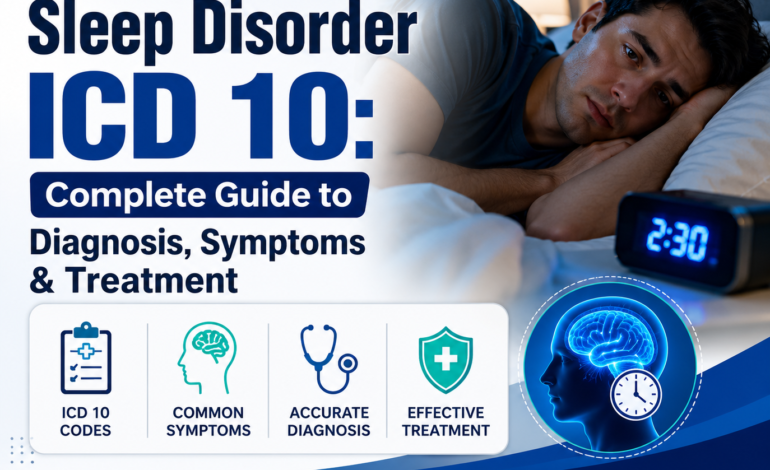
Sleep Disorder ICD 10: Understanding Diagnosis Codes, Symptoms, and Treatment Options

Sleep is one of the most important aspects of maintaining good physical and mental health. Yet millions of people worldwide struggle with sleep-related problems that affect their daily lives, productivity, and overall well-being. From insomnia and sleep apnea to restless leg syndrome and circadian rhythm disorders, sleep disorders can significantly impact a person’s quality of life.
Healthcare professionals use the Sleep Disorder ICD 10 classification system to accurately diagnose and document sleep-related conditions. Understanding these diagnostic codes can help patients better understand their medical records and treatment plans.
In this comprehensive guide, we’ll explore what Sleep Disorder ICD 10 means, common sleep disorder codes, symptoms, causes, diagnosis methods, and available treatment options.
Each disease or condition has a unique code that helps healthcare professionals identify and classify illnesses accurately.
What Is a Sleep Disorder?
A sleep disorder is a condition that regularly affects a person’s ability to get healthy, restful sleep.
- Difficulty falling asleep
- Frequent nighttime awakenings
- Excessive daytime sleepiness
- Breathing interruptions during sleep
- Unusual movements during sleep
- Poor sleep quality
If left untreated, sleep disorders may contribute to serious health complications, including heart disease, diabetes, depression, and reduced cognitive function.
Common Sleep Disorder ICD 10 Codes
1. Insomnia
Insomnia is one of the most common sleep disorders and involves difficulty falling asleep, staying asleep, or returning to sleep after waking.
- Difficulty falling asleep
- Frequent waking
- Poor concentration
- Daytime fatigue
2. Sleep Apnea
Obstructive Sleep Apnea (OSA) occurs when breathing repeatedly stops and starts during sleep.
- Loud snoring
- Choking during sleep
- Morning headaches
- Excessive daytime fatigue
3. Hypersomnia
Hypersomnia refers to excessive daytime sleepiness despite getting adequate nighttime sleep.
- Sleeping for long periods
- Daytime tiredness
- Difficulty staying awake
4. Circadian Rhythm Sleep Disorder
Occurs when the body’s internal clock becomes misaligned with normal sleep schedules.
- Shift work disorder
- Jet lag disorder
- Delayed sleep phase syndrome
5. Narcolepsy
A neurological disorder that affects the brain’s ability to regulate sleep-wake cycles.
- Sudden sleep attacks
- Excessive daytime sleepiness
- Muscle weakness episodes
- Sleep paralysis
6. Restless Legs Syndrome (RLS)
Causes uncomfortable sensations in the legs and an uncontrollable urge to move them.
- Symptoms worsen at night
- Discomfort during rest
- Urge to move legs frequently
Common Symptoms of Sleep Disorders
Physical Symptoms
- Chronic fatigue
- Frequent headaches
- Low energy levels
- Difficulty concentrating
- Reduced productivity
Emotional Symptoms
- Mood swings
- Anxiety
- Depression
- Irritability
Sleep-Related Symptoms
- Trouble falling asleep
- Frequent awakenings
- Snoring
- Breathing interruptions
- Excessive daytime sleepiness
Causes of Sleep Disorders
Medical Conditions
- Asthma
- Chronic pain
- Heart disease
- Diabetes
- Neurological disorders
Lifestyle Factors
- Stress
- Poor sleep habits
- Excessive caffeine
- Alcohol consumption
- Shift work schedules
Mental Health Conditions
- Anxiety disorders
- Depression
- PTSD
- Chronic stress
How Are Sleep Disorders Diagnosed?
Healthcare providers use several methods to diagnose sleep disorders.
- Medical history review
- Physical examination
- Sleep studies (Polysomnography)
- Monitoring breathing patterns
- Tracking oxygen levels and brain activity
Treatment Options for Sleep Disorders
- Maintaining a consistent sleep schedule
- Reducing caffeine intake
- Limiting screen time before bed
- Cognitive Behavioral Therapy (CBT)
- CPAP machines for sleep apnea
- Prescription medications when necessary
Why Understanding Sleep Disorder ICD 10 Matters
- Better understand your condition
- Communicate effectively with healthcare providers
- Review insurance documents accurately
- Track treatment progress
Tips for Better Sleep Health
- Follow a consistent sleep schedule
- Create a sleep-friendly environment
- Keep your bedroom cool and quiet
- Avoid caffeine before bedtime
- Exercise regularly
Frequently Asked Questions
What is the ICD 10 code for insomnia?
The ICD 10 code for insomnia is typically G47.00.
What is the ICD 10 code for sleep apnea?
Obstructive sleep apnea is commonly coded as G47.33.
Can sleep disorders be cured?
Many sleep disorders can be effectively managed through lifestyle changes, therapy, or medical treatment.
When should I see a doctor?
If sleep issues persist for several weeks or interfere with daily life, seek professional medical advice.


2 Comments
Wow, wonderful blog format! How long have you ever been running a blog for?
you make running a blog look easy. The entire glance of your
site is excellent, as well as the content!
Very interesting info!Perfect just what I was looking
for!