
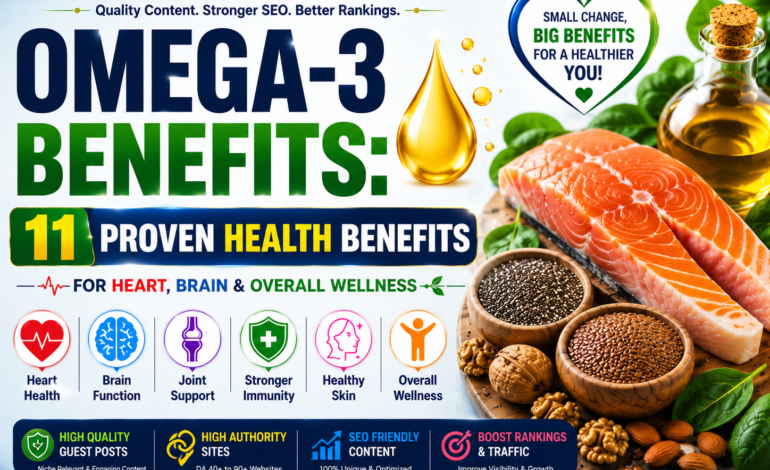
Omega-3 Benefits: The Complete Guide to Better Health, Brain Function & Heart Wellness

Omega-3 Benefits: 11 Proven Health Benefits You Should Know
Everything You Need to Know About the Health Benefits of Omega-3 Fatty Acids
Table of Contents
What is Omega-3?
Omega-3 fatty acids are essential fats that play a crucial role in maintaining overall health. Unlike other nutrients, the human body cannot produce Omega-3 on its own, which means it must be obtained through food or supplements.
There are three primary forms of Omega-3 fatty acids:
- ALA (Alpha-Linolenic Acid) – Found in plant-based foods.
- EPA (Eicosapentaenoic Acid) – Found mainly in fatty fish.
- DHA (Docosahexaenoic Acid) – Essential for brain and eye health.
These healthy fats are involved in numerous bodily functions, including reducing inflammation, supporting cardiovascular health, and maintaining proper brain function.
Top Omega-3 Benefits
1. Supports Heart Health
One of the most widely recognized omega-3 benefits is its ability to support cardiovascular health. Omega-3 fatty acids may help reduce triglyceride levels, support healthy blood pressure, and improve overall heart function. Many healthcare professionals recommend increasing Omega-3 intake as part of a heart-healthy lifestyle.
2. Improves Brain Function
The brain is made up largely of fat, and DHA is one of its most important structural components. Studies suggest that adequate Omega-3 intake may improve memory, concentration, focus, and learning ability. It is particularly beneficial for students, professionals, and older adults.
3. Supports Mental Well-Being
Research has linked Omega-3 fatty acids to better emotional health. These essential fats may help support mood balance, reduce feelings of stress, and contribute to overall mental wellness.
4. Promotes Healthy Vision
DHA is a key component of the retina. Consuming enough Omega-3 may help maintain eye health, reduce dry eye symptoms, and support long-term vision.
5. Encourages Healthy Skin
Omega-3 fatty acids contribute to healthy, hydrated skin. They help support the skin barrier, improve elasticity, and may reduce redness and irritation caused by inflammation.
6. Helps Reduce Inflammation
Chronic inflammation has been linked to numerous health issues. Omega-3 fatty acids possess natural anti-inflammatory properties that may help support overall wellness and recovery.
7. Supports Joint Health
Many individuals use Omega-3 supplements to support joint comfort and mobility. Its anti-inflammatory effects may contribute to healthier joints and better flexibility.
8. Strengthens the Immune System
A strong immune system is essential for maintaining health. Omega-3 fatty acids help regulate immune responses and support the body's natural defense mechanisms.
9. Supports Healthy Pregnancy
Omega-3, especially DHA, plays a critical role in fetal brain and eye development. Adequate intake during pregnancy may contribute to healthy growth and development.
10. May Improve Sleep Quality
Emerging research suggests that Omega-3 fatty acids may support healthy sleep patterns and improve overall sleep quality, helping individuals feel more refreshed and energized.
11. Supports Healthy Aging
Regular Omega-3 consumption may help support cognitive health, reduce inflammation, and promote healthy aging. This makes it an important nutrient for maintaining quality of life as we grow older.
Best Food Sources of Omega-3
The best way to obtain Omega-3 fatty acids is through a balanced diet rich in nutrient-dense foods.
Fish-Based Sources
- Salmon
- Mackerel
- Sardines
- Tuna
- Herring
Plant-Based Sources
- Flaxseeds
- Chia Seeds
- Walnuts
- Hemp Seeds
- Soybeans
Including these foods in your daily diet can help ensure you receive an adequate amount of Omega-3 fatty acids.
Should You Take Omega-3 Supplements?
While food should always be the primary source of nutrition, Omega-3 supplements can be beneficial for individuals who do not consume enough Omega-3-rich foods. Fish oil supplements and algae-based supplements are among the most popular options available today.
Before starting any supplement routine, it is recommended to consult a qualified healthcare professional to determine the right dosage for your needs.
Final Thoughts
Omega-3 fatty acids are among the most important nutrients for maintaining long-term health. Their benefits extend beyond heart health and include improved brain function, healthy skin, stronger immunity, better joint health, and overall wellness.
Whether you obtain Omega-3 through fish, plant-based foods, or supplements, ensuring adequate intake can have a significant positive impact on your health and quality of life.
Web Stories