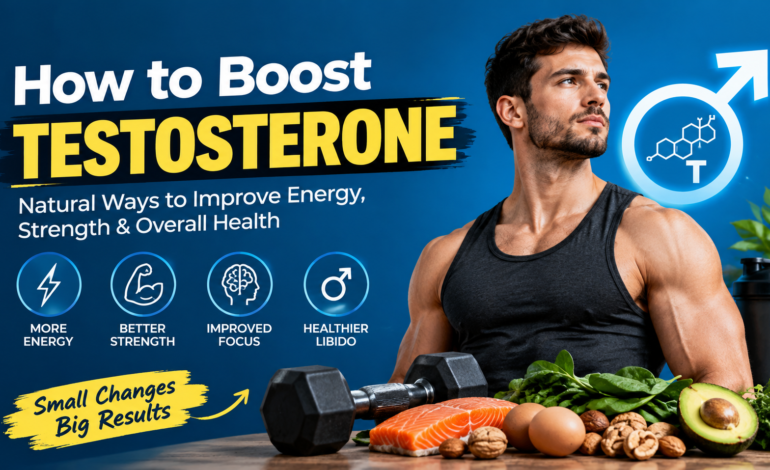
How to Boost Testosterone Naturally: 10 Evidence-Based Ways

Testosterone gets a lot of attention online. One article says you need a particular supplement, another promises a special food, and somewhere in between there is usually a claim about dramatically increasing testosterone in just a few days.
The reality is much less complicated.
Your testosterone level is influenced by several things, including age, body weight, sleep, physical activity, nutrition, medications, and certain medical conditions. If your testosterone is already within a healthy range, trying to push it higher is not necessarily beneficial. But if lifestyle factors are working against healthy hormone production, improving those habits can make a meaningful difference.
So, how can you boost testosterone naturally? The most sensible approach is to focus on the basics that support overall health rather than chasing a single "testosterone booster."
What Is Testosterone?
Testosterone is a hormone produced mainly by the testes in men. It plays an important role in muscle development, bone health, sexual function, sperm production, red blood cell production, and other aspects of normal health.
Testosterone levels are not fixed throughout the day. They tend to be higher in the morning and lower later in the day. Levels also naturally change with age.
Having symptoms that sound like low testosterone does not automatically mean you have a testosterone deficiency. A proper diagnosis generally requires compatible symptoms together with consistently low testosterone levels on appropriate testing.
How to Boost Testosterone Naturally
There is no single food, exercise, or supplement that works like a magic switch for testosterone. Instead, several everyday habits can help create better conditions for normal hormone production.
1. Strength Train Regularly
Resistance training is one of the most practical ways to support testosterone and overall metabolic health.
Weight training exercises such as squats, rows, presses, lunges, and other compound movements work large muscle groups and can be part of a well-rounded fitness routine.
You do not need to spend two hours in the gym every day. A consistent routine that gradually becomes more challenging is usually more useful than occasional extreme workouts.
A simple approach:
- Train major muscle groups regularly.
- Focus on good technique before adding more weight.
- Allow your body enough time to recover.
- Increase training difficulty gradually.
2. Maintain a Healthy Weight
Body weight and testosterone are closely connected, particularly when excess body fat is present.
Obesity is associated with low testosterone, and weight loss can help improve testosterone levels in men who are overweight or obese.
This does not mean you need to follow a crash diet. Extreme calorie restriction can make it harder to maintain muscle, energy, and good nutrition.
A better strategy is to build sustainable habits around nutritious food, regular movement, resistance training, and an appropriate calorie intake.
3. Get Enough Quality Sleep
Sleep is easy to overlook when talking about testosterone, but it matters.
Poor sleep and sleep disorders can affect hormone regulation. Short sleep and conditions such as obstructive sleep apnea have also been associated with reduced testosterone and other metabolic problems.
Instead of looking for a testosterone supplement, start by improving your sleep routine.
- Keep a consistent bedtime and wake-up time.
- Make your bedroom comfortable and dark.
- Reduce unnecessary screen time before bed.
- Avoid regularly sacrificing sleep for work or entertainment.
- Talk with a healthcare professional if you regularly snore loudly, wake up gasping, or feel unusually tired during the day.
4. Eat a Balanced, Nutrient-Dense Diet
There is no magic "testosterone food." A healthy eating pattern is more important than adding one specific ingredient to your diet.
Your body needs adequate energy, protein, healthy fats, vitamins, and minerals to function normally. Extremely restrictive diets or poor nutrition can work against your overall health and may affect hormone production.
Build meals around foods such as:
- Eggs and other protein-rich foods
- Fish and seafood
- Lean meats or other quality protein sources
- Beans and lentils
- Nuts and seeds
- Fruits and vegetables
- Whole grains
- Healthy sources of dietary fat
The goal is not to find one food that "boosts testosterone." The goal is to consistently give your body the nutrients and energy it needs.
5. Do Not Ignore Healthy Fats
Very low-fat diets are not automatically better for hormone health. Dietary fat is an important part of a balanced diet, although the amount you need depends on your overall calorie intake and individual circumstances.
Foods such as avocados, nuts, seeds, olive oil, and fatty fish can provide unsaturated fats along with other useful nutrients.
That does not mean eating large amounts of fat will automatically increase testosterone. Think of healthy fats as one part of a balanced diet rather than a testosterone hack.
6. Manage Stress
Everyone experiences stress, and short periods of stress are a normal part of life. The bigger issue is ongoing stress combined with poor sleep, inactivity, unhealthy eating, or inadequate recovery.
If you are constantly exhausted and running on very little sleep, adding another intense workout may not be the answer. Sometimes the smarter move is to improve recovery.
Simple habits can help:
- Take regular walks.
- Spend time outside.
- Make time for hobbies and social activities.
- Practice slow breathing or meditation.
- Keep a consistent sleep schedule.
- Take rest days when your training requires them.
7. Avoid Excessive Alcohol Consumption
Heavy alcohol use can negatively affect several aspects of health, including hormone and reproductive health. If you are trying to improve your overall health and hormone profile, reducing excessive alcohol consumption is a sensible step.
Rather than looking for a supplement that promises to increase testosterone, look at the habits that may be interfering with normal hormone function in the first place.
8. Do Not Overtrain
Exercise is good for you, but more is not always better.
Training hard without enough recovery can leave you constantly tired and can interfere with sleep, performance, and general well-being. Poor nutrition combined with excessive exercise can also create additional stress on the body.
If your workouts are intense, make sure you are also getting enough food, sleep, hydration, and recovery time.
A good training program should challenge you without leaving you feeling exhausted every day.
9. Check for Medical Conditions That May Affect Testosterone
Sometimes lifestyle changes are not the whole story.
Low testosterone can be associated with conditions such as obesity, sleep disorders, type 2 diabetes, certain chronic illnesses, and problems involving the testes or pituitary gland. Some medications, including opioids and corticosteroids, can also affect testosterone production.
This is why persistent symptoms should not simply be treated with an over-the-counter "testosterone booster." Finding the underlying reason for low testosterone is often more important than trying to raise the number yourself.
10. Be Careful With Testosterone Boosters and Supplements
Walk into almost any supplement store and you will find products marketed as testosterone boosters. Some contain ingredients that have limited evidence, while others may simply be combinations of vitamins, minerals, herbs, and stimulants.
A supplement is not automatically safe or effective because it is labeled "natural."
If you think your testosterone is low, talk with a healthcare professional rather than taking testosterone or hormone-related products on your own.
Foods That Support Healthy Testosterone Levels
There is no scientifically proven food that instantly raises testosterone. However, a nutrient-dense diet can support the overall health processes involved in hormone production.
Good choices include:
- Eggs: A convenient source of protein and several nutrients.
- Fatty fish: Provides protein and healthy fats.
- Avocado: Provides unsaturated fat and fiber.
- Nuts and seeds: Provide healthy fats, protein, and minerals.
- Beans and lentils: Useful plant-based sources of protein and nutrients.
- Leafy greens: Add vitamins, minerals, and fiber to meals.
- Whole grains: Provide carbohydrates, fiber, and other nutrients.
The bigger picture matters more than any individual food. A healthy diet should provide enough calories and nutrients to support your activity level and overall health.
Can Exercise Increase Testosterone?
Yes, exercise can influence testosterone, particularly resistance training and regular physical activity. Exercise also helps improve body composition, cardiovascular health, insulin sensitivity, strength, and fitness.
However, the goal should not be to chase a temporary testosterone spike after a workout. Long-term health and consistent training matter more than what happens to your hormone level immediately after one session.
If you are new to exercise, start with manageable workouts and build gradually.
Can Losing Belly Fat Increase Testosterone?
For men who are overweight or obese, losing excess body fat may help improve testosterone levels.
Obesity is a recognized contributor to low testosterone, which is one reason improving testosterone should not be separated from improving metabolic health.
Instead of asking, "What supplement burns belly fat and raises testosterone?" a more useful question is, "What changes can I maintain for the next six months?"
What Are the Symptoms of Low Testosterone?
Low testosterone can cause symptoms such as reduced sexual desire, erectile problems, lower energy, reduced muscle mass, and decreased fertility. But these symptoms can have many different causes.
For example, tiredness or low sex drive does not automatically mean testosterone is low. Stress, poor sleep, medications, obesity, and other health conditions can also contribute.
That is why symptoms alone are not enough to diagnose testosterone deficiency.
When Should You Get Your Testosterone Checked?
If you have persistent symptoms that could indicate testosterone deficiency, it is worth discussing them with a healthcare professional.
Testosterone is generally highest in the morning, so testing is commonly performed in the morning. If the result is low, doctors may repeat the test and investigate possible causes rather than immediately starting treatment.
This matters because a single testosterone result does not always tell the whole story.
Can Testosterone Therapy Boost Testosterone?
Testosterone replacement therapy can raise testosterone levels, but it is a medical treatment rather than a general-purpose performance or anti-aging supplement.
It may be appropriate for men who have symptoms and consistently low testosterone caused by an identifiable medical problem. However, testosterone therapy can affect fertility and has other potential risks, so it should be used under appropriate medical supervision.
If fertility is important to you, make sure you discuss this with your doctor before starting testosterone therapy. Exogenous testosterone can suppress sperm production.
A Simple Daily Routine for Supporting Healthy Testosterone
You do not need a complicated routine.
- Morning: Eat a nutritious breakfast if it fits your routine and get some natural movement.
- Daytime: Stay physically active instead of sitting for the entire day.
- Workout: Include resistance training several times per week if appropriate for your fitness level.
- Meals: Prioritize protein, vegetables, fruits, whole foods, and healthy fats.
- Evening: Give yourself enough time to wind down before bed.
- Night: Aim for consistent, good-quality sleep.
None of these habits is a miracle cure. Together, however, they create a much stronger foundation for healthy hormone function than relying on a single supplement.
Frequently Asked Questions About How to Boost Testosterone
What is the fastest way to boost testosterone naturally?
There is no reliable natural method that instantly and dramatically raises testosterone. Improving sleep, exercising regularly, maintaining a healthy weight, eating well, and addressing underlying health problems are more realistic approaches.
Does lifting weights increase testosterone?
Resistance training can influence testosterone and provides many other health benefits. Consistent strength training is more useful than trying to create a short-term hormone spike from a single workout.
Does sleep increase testosterone?
Healthy sleep supports normal hormone regulation. Poor sleep and sleep disorders can be associated with lower testosterone, so improving sleep quality is an important part of overall hormone health.
Can losing weight increase testosterone?
In men who are overweight or obese, weight loss can improve testosterone levels. Improving body composition can therefore be an important part of addressing low testosterone associated with excess weight.
What foods increase testosterone?
No single food has been proven to dramatically increase testosterone. A balanced diet containing adequate protein, healthy fats, vitamins, minerals, and enough energy is a better approach than relying on one "testosterone-boosting" food.
Should I take testosterone boosters?
Be cautious with over-the-counter testosterone boosters. Products marketed for testosterone enhancement vary widely, and "natural" does not automatically mean safe or effective. If you have symptoms of low testosterone, getting properly evaluated is a better starting point.
How do I know if my testosterone is low?
Symptoms can include reduced libido, erectile difficulties, low energy, reduced muscle mass, and fertility problems, but symptoms alone cannot confirm testosterone deficiency. A healthcare professional can determine whether testing is appropriate and interpret the results in context.
The Bottom Line
If you are wondering how to boost testosterone, start with the fundamentals rather than searching for a miracle supplement.
Regular strength training, healthy weight management, adequate sleep, nutritious food, sensible alcohol intake, stress management, and proper recovery can all contribute to better overall health and support normal testosterone function.
And if you have persistent symptoms of low testosterone, do not assume the answer is simply a supplement or testosterone therapy. Low testosterone can have several causes, and proper testing can help identify what is actually going on.
The goal is not to chase the highest possible testosterone number. It is to support healthy hormone function while taking care of the rest of your health.
Medical note: This article is for general educational purposes and does not replace personalized medical advice. If you have persistent symptoms or concerns about testosterone, speak with a qualified healthcare professional.